

Why DPFs block on Sprinters
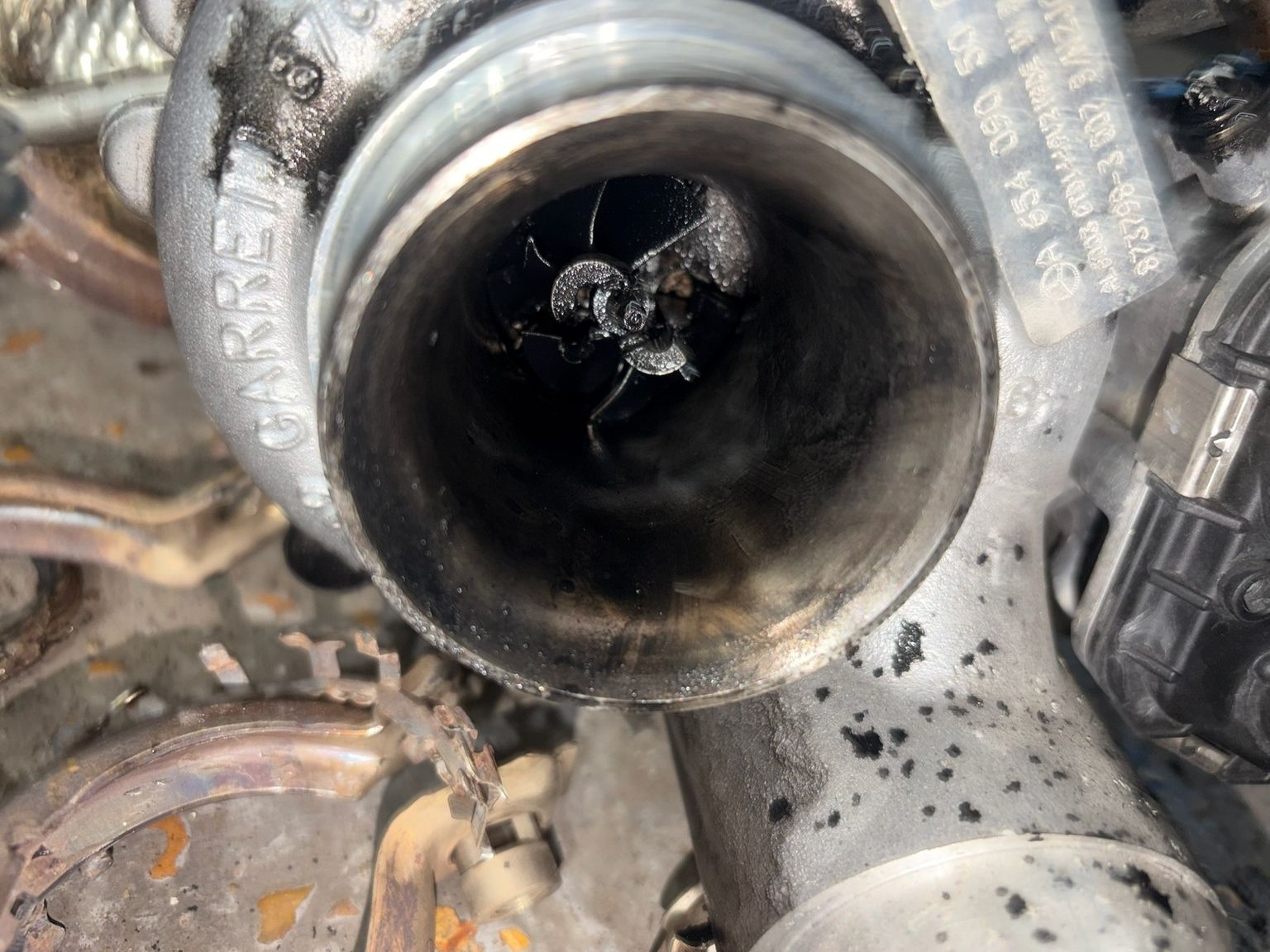
Passive DPF regeneration requires sustained exhaust temperatures above approximately 550 to 600 degrees Celsius. On the W906 and W907 Sprinter this is achieved during prolonged motorway or A-road driving. Short urban journeys, stop-start use, and depot-based operations where the van rarely sustains a long run are the most common causes of progressive soot accumulation. On the OM651 a partially blocked EGR or a degraded oxidation catalyst can prevent the exhaust temperatures needed for passive regen from being reached, compounding the problem. Injector wear affecting combustion quality is a less common but possible contributing factor at very high mileages.
What a diagnostic session looks at
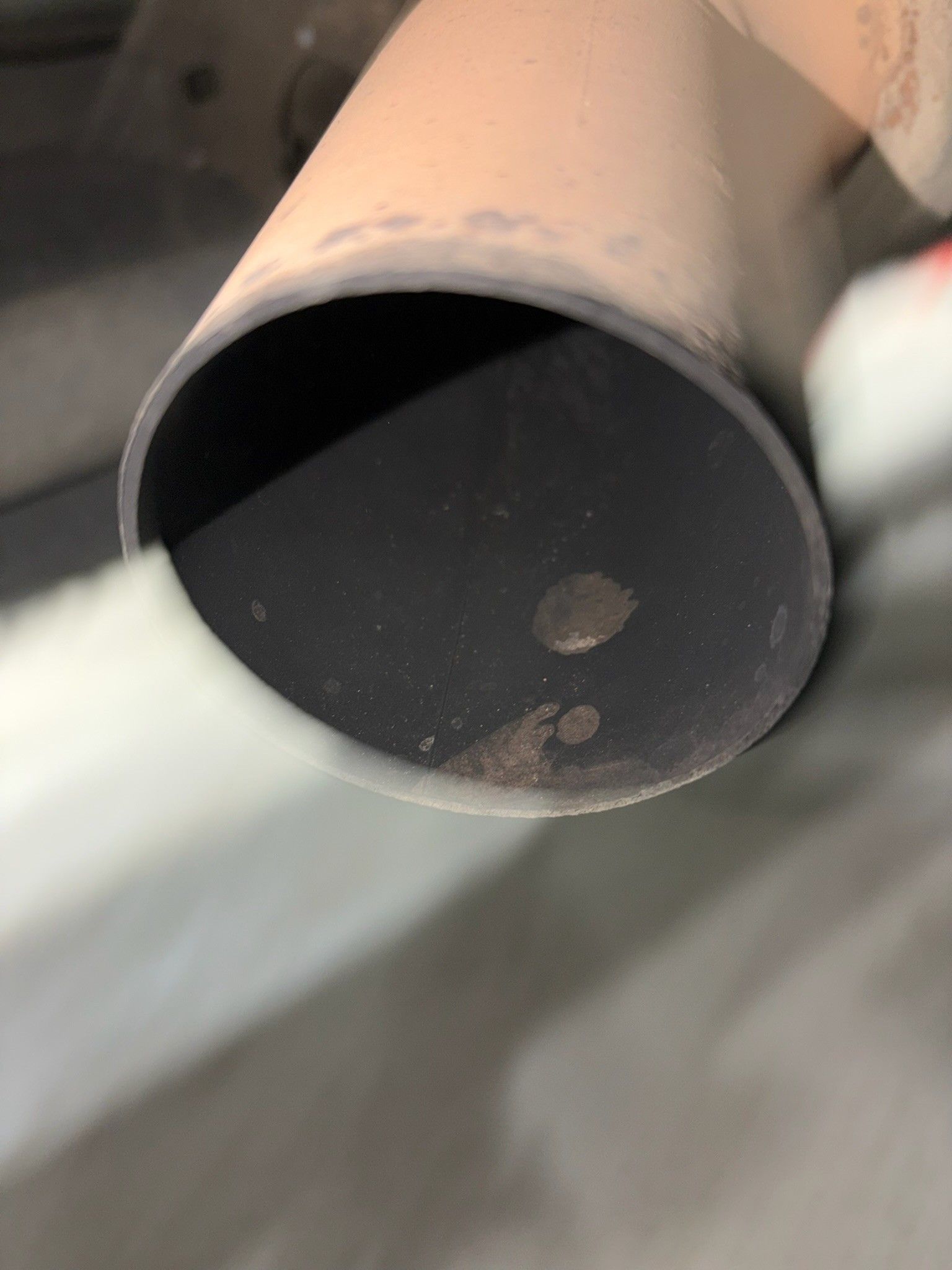
Soot load percentage from the DPF control module is read first. Ash load estimate is checked separately: ash is non-combustible residue from engine oil and does not reduce during regen. A DPF that is heavily ash-loaded cannot be recovered by regen regardless of how many forced cycles are attempted. Regen history is reviewed: how many regens have been attempted, how many completed, and how many aborted. A high abort rate suggests an underlying condition preventing regen completion. Differential pressure sensor readings are checked for plausibility. If soot load is within the recoverable range and no underlying fault is preventing regen, a forced regen via Xentry is appropriate. If soot load is above the safe regen threshold or ash load is the primary issue, physical DPF cleaning or replacement is the correct path.
P2463 and the regen decision
A forced regen should not be performed without first confirming that conditions are safe for it. Running a forced regen on a DPF that is beyond the recovery threshold risks thermal damage to the filter. Running a forced regen when an active EGR or turbo fault is present risks the regen not completing and the fault returning within a short drive. The DPF warning lights post on this site covers the regen decision in more detail.
Related reading
- P2002: DPF Efficiency Below Threshold
- DPF Warning Lights: When Regen Helps vs When It Makes Things Worse
- Standard Diagnosis Service
Stuck with P2463?
Book a Standard Diagnosis - we'll check your soot load, ash estimate, and regen blockers before deciding if a regen is the right move.
Need help with this?
We offer professional diagnostics for these issues. Book a visit or WhatsApp us.