

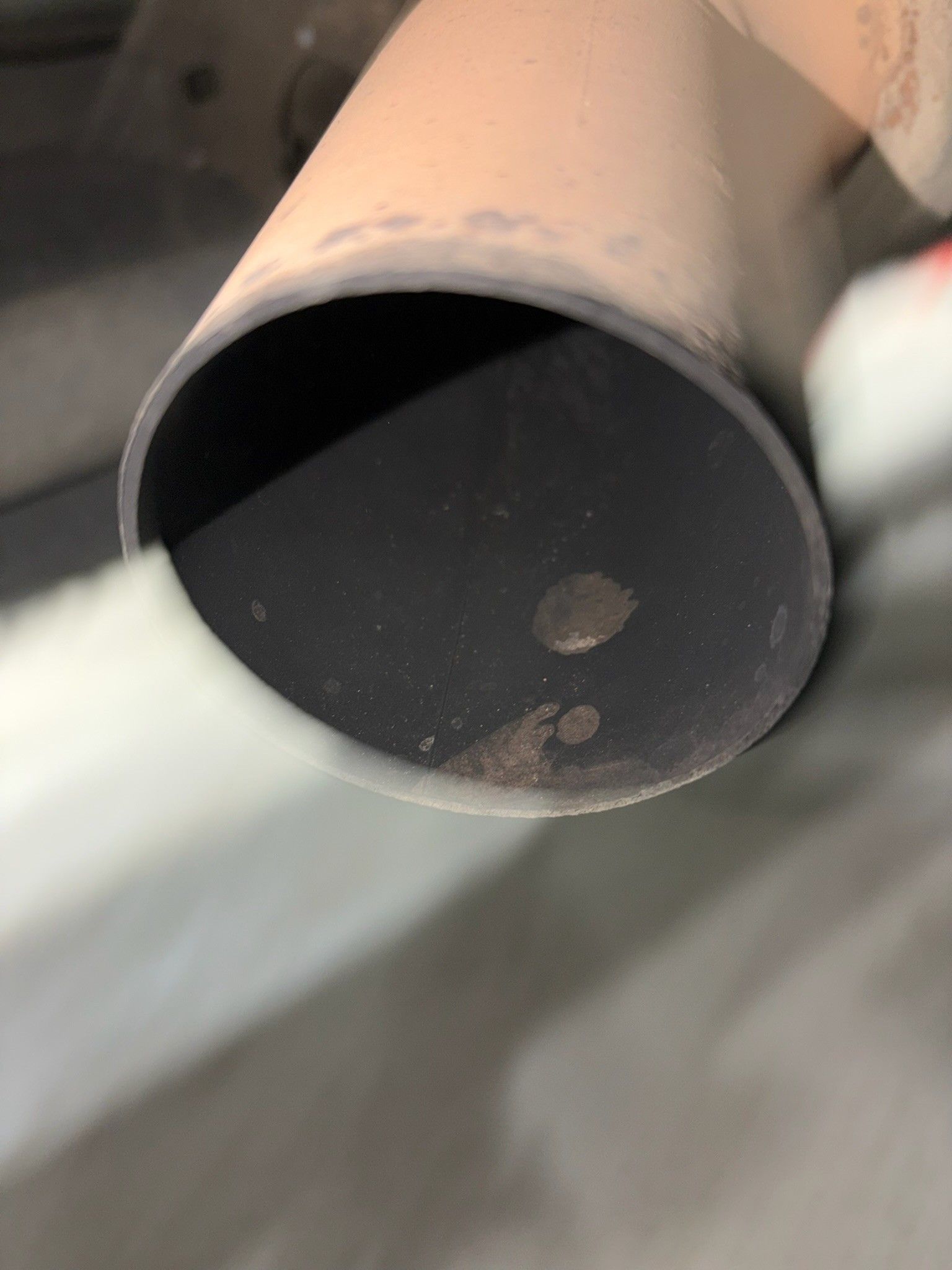
The difference between when a forced regen helps and when it makes things worse - and what we check before we attempt anything.
Passive vs active vs forced regen
Passive regen - happens naturally during longer steady driving when temperatures are high enough.
Active regen - initiated by the ECU to raise exhaust temperatures and burn soot.
Forced regen - initiated with diagnostic equipment when normal regen isn't completing and conditions allow it.
Regen is a process, not a cure. If something is stopping the system from regening normally, forcing it won't solve the real issue.
When regen is usually a good idea
A forced regen can be helpful when:
- soot loading is within a sensible range
- temperatures and sensor readings are plausible
- the engine is healthy enough to perform it safely
- there are no underlying faults blocking regen
When it works properly you'll typically see:
- reduced backpressure
- warning light cleared
- the van returns to normal regen behaviour afterwards
When regen is a bad idea (or just delays the problem)
Regen becomes risky or pointless when:
- soot loading is too high for a controlled burn
- there are faults that will immediately block regen again
- a sensor is lying (so the ECU can't manage the process correctly)
- the real problem is upstream (EGR, boost leaks, temp control, etc.)
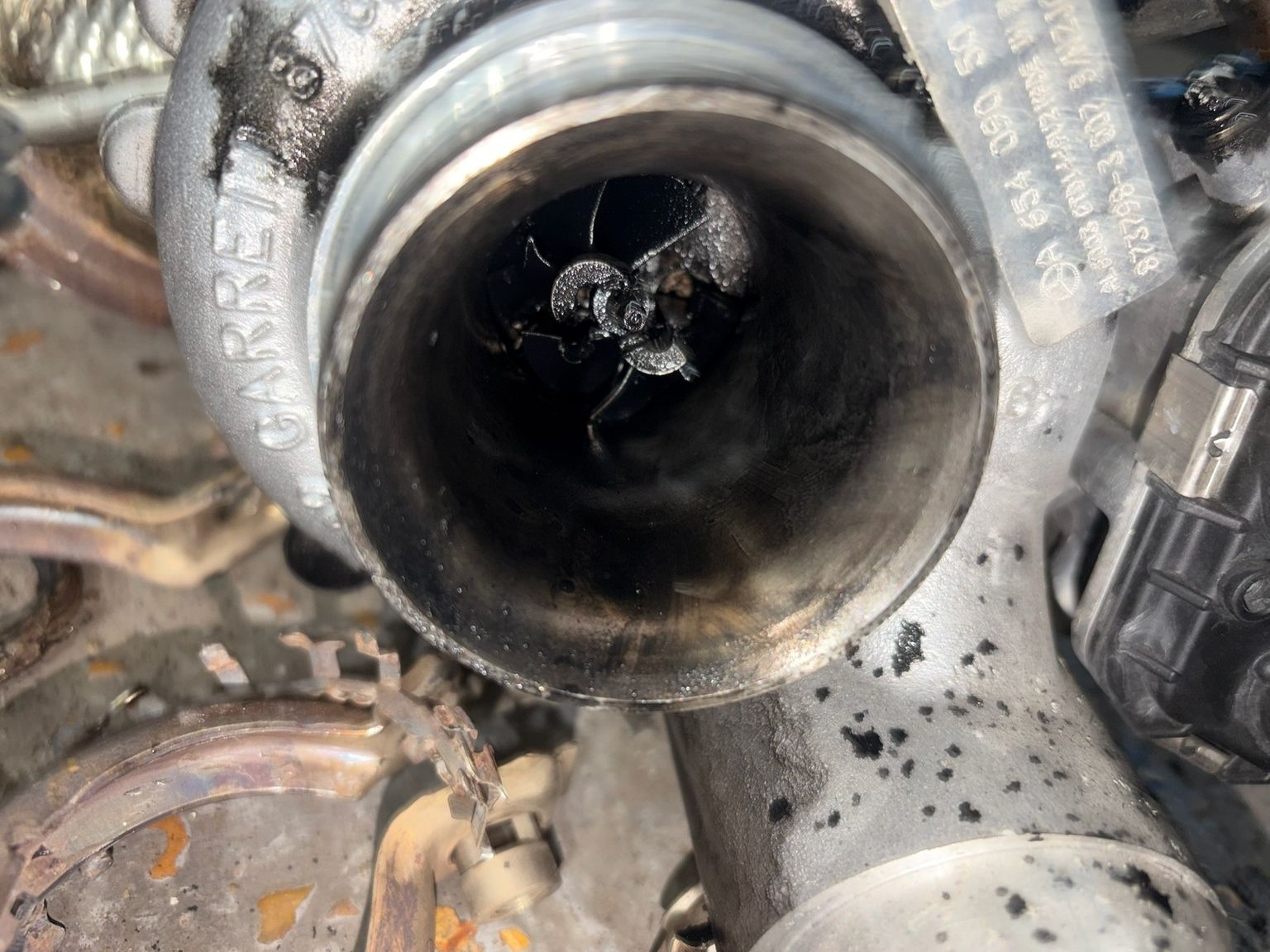
This is where people waste money: they pay for a regen, the light goes off, then it comes back a week later because the cause wasn't fixed.
When the DPF light is a symptom, not the cause
DPF issues are often downstream of something else. Common culprits include:
- Boost leaks - causing incorrect airflow/combustion → higher soot
- EGR faults - affecting combustion and temps
- Thermostat/temp control issues - preventing proper operating conditions
- Sensor plausibility faults - preventing regen strategy
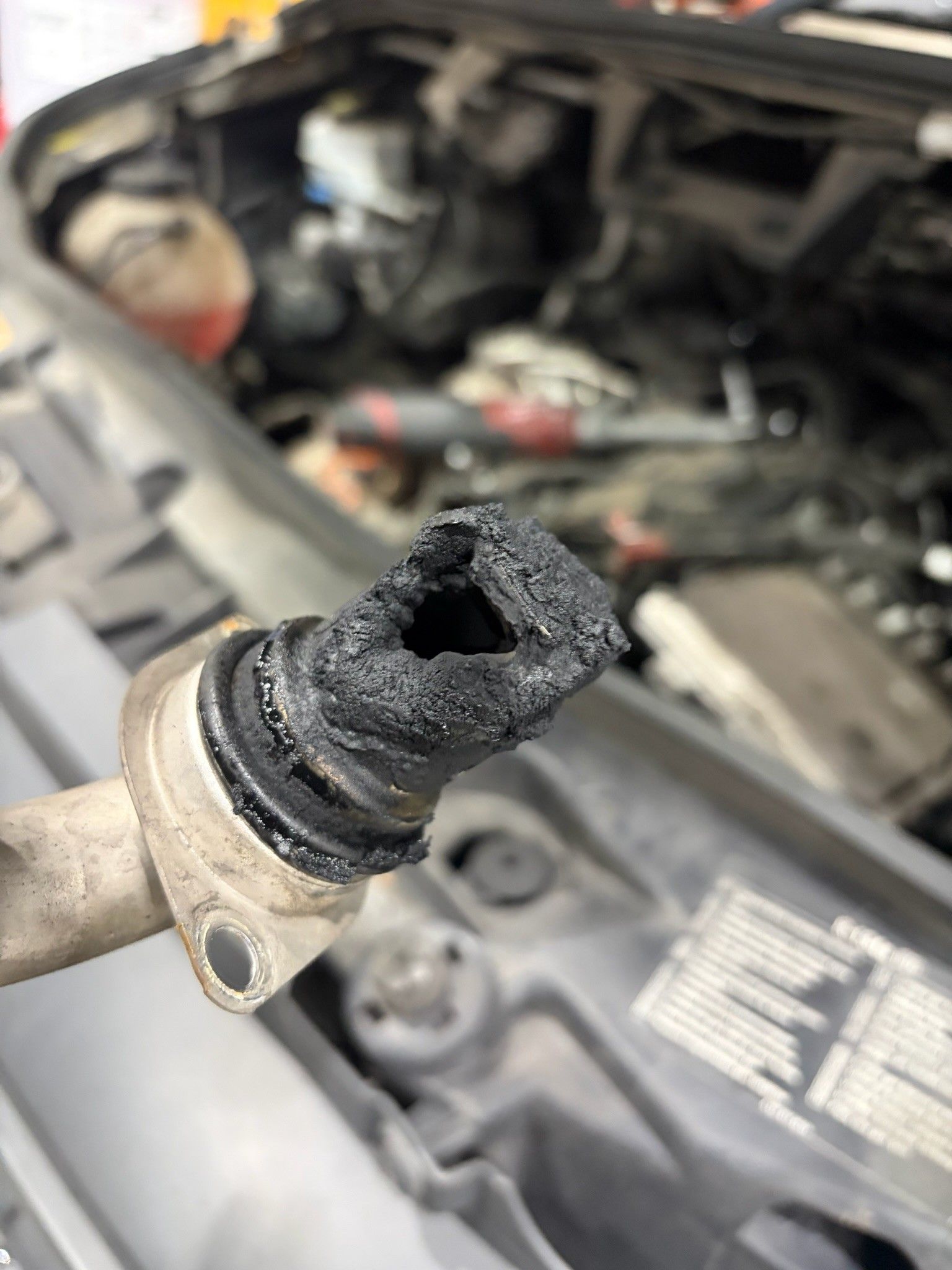
It's not "can you regen it?" It's: should you regen it, and why did it load up?
What a proper "DPF Decision Visit" looks like
We diagnose first, then decide.
- Differential pressure plausibility
- Temperature readings plausibility
- Soot loading indicators (where supported)
- Regen status / history indicators (where supported)
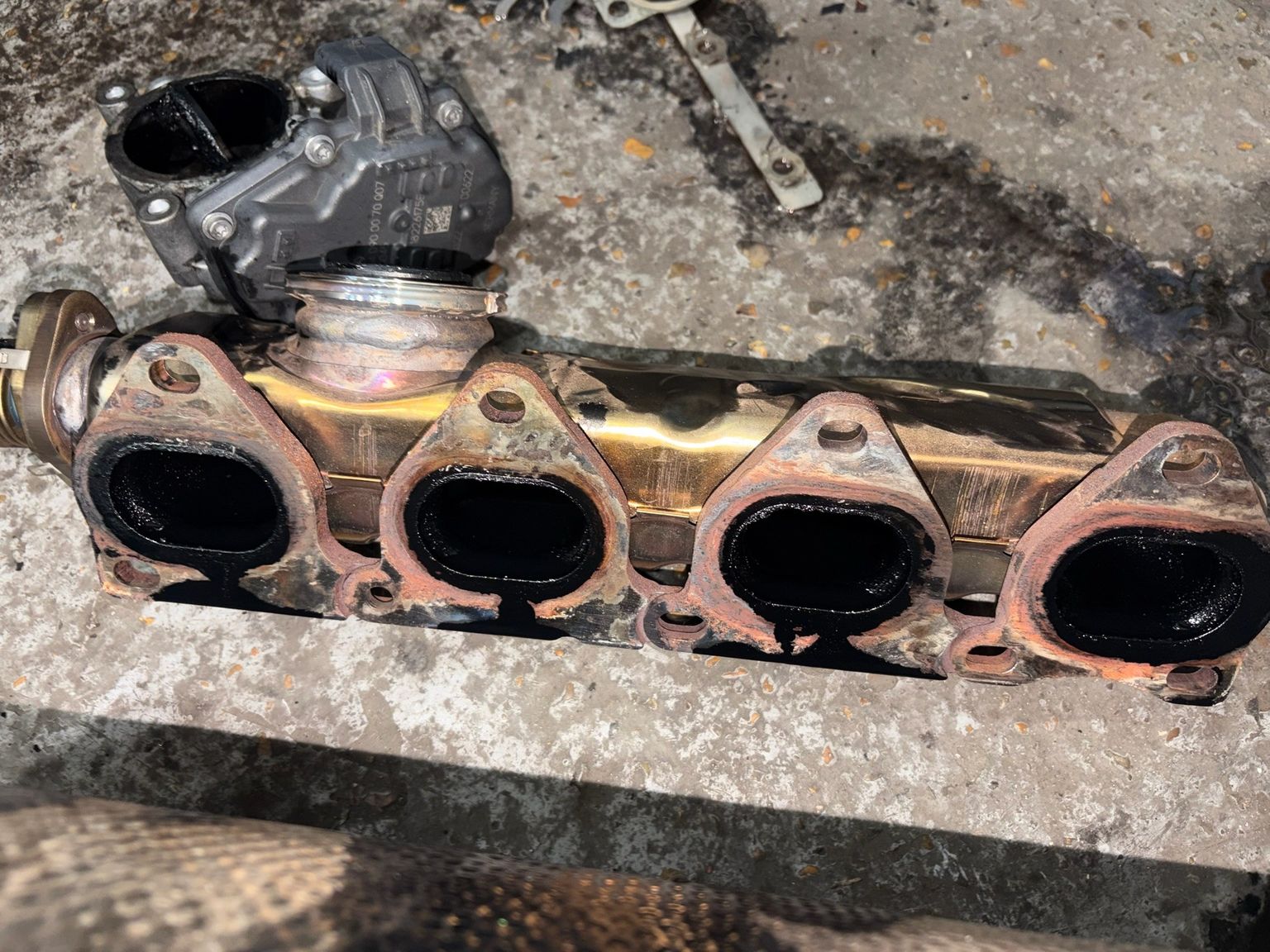
If the vehicle has a fault that prevents regen, we address the blocker first - otherwise regen is wasted effort.
If the data says it's safe and likely to succeed, we proceed. If it isn't, we give you the correct next step (repair path / cleaning path / workshop path).
We don't just hit "start regen" and leave. We check results and ensure the numbers make sense afterward.
DPF light on?
Book a Standard Diagnosis - we cover all DPF, regen, and emissions faults in one visit.
Need help with this?
We offer professional diagnostics for these issues. Book a visit or WhatsApp us.