

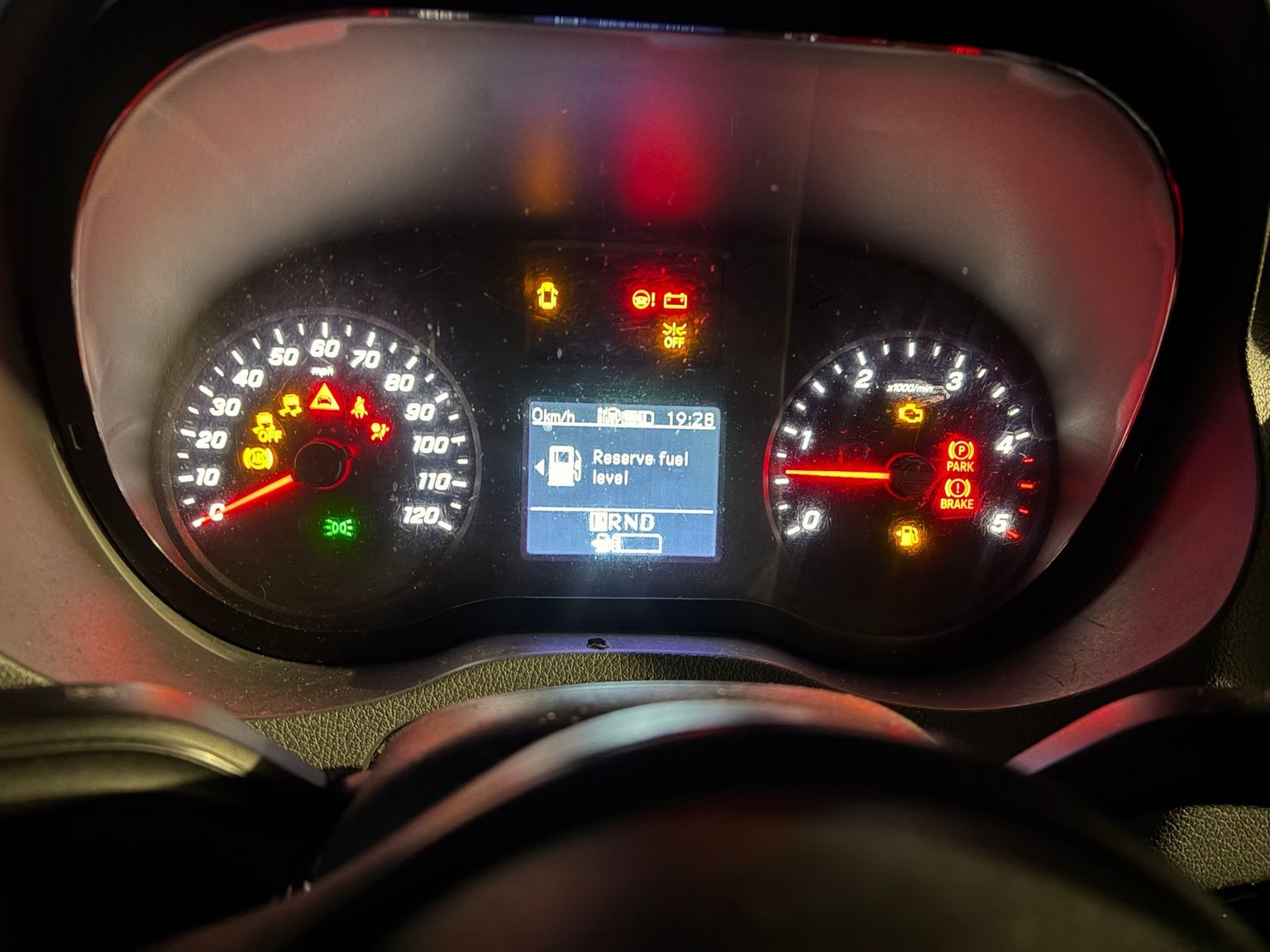
A lot of people try the quick route: clear the codes and hope it's gone. Sometimes the van feels better for a short while… until the same fault is detected again and the power drops back.
Limp mode isn't the fault - it's the van's response to a fault. This post explains what "proper diagnostics" actually looks like on W906 and W907 Sprinters, and why it saves money compared to guessing.
What limp mode really is (in plain terms)
Your ECU has a target for what the engine should be doing - boost, fuel pressure, airflow, temperatures, emissions targets. If the ECU sees readings that don't match what it expects (or a component doesn't respond correctly), it will reduce torque to protect the engine and drivetrain.
So the real question isn't "How do we get it out of limp mode?"
It's: Why did the ECU decide to protect itself?
Common triggers we see on W906 / W907
Limp mode can be caused by loads of things, but these are the common patterns that show up in real jobs.
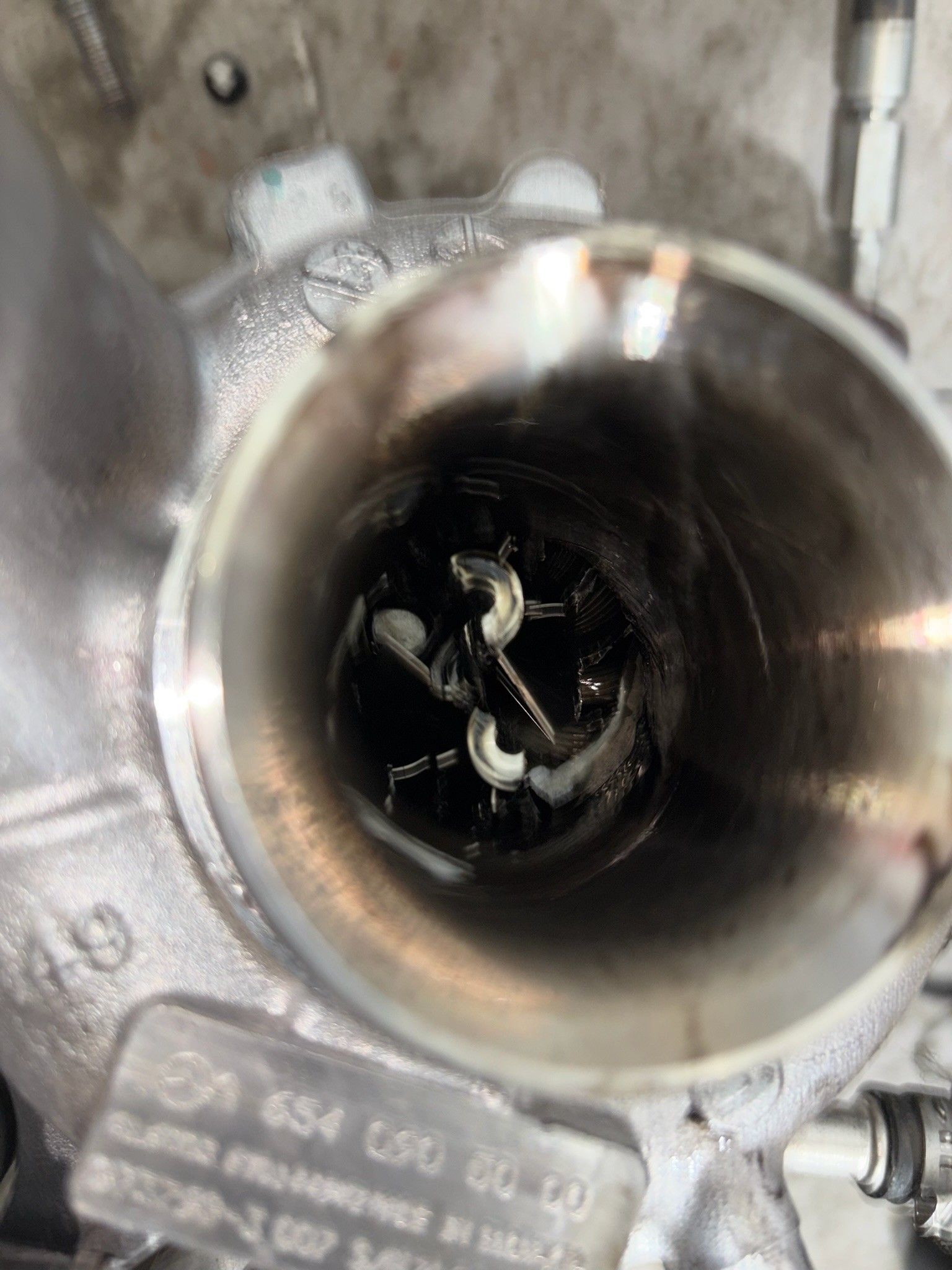
- Sticky or failing turbo actuator
- Wastegate/actuator control not matching requested position
- MAP/boost sensor issues
- Split intercooler hose / loose clamp / cracked charge pipe
- Rail pressure sensor faults
- Pressure control valve issues
- Supply side problems (filter restriction, air ingress, weak pump)
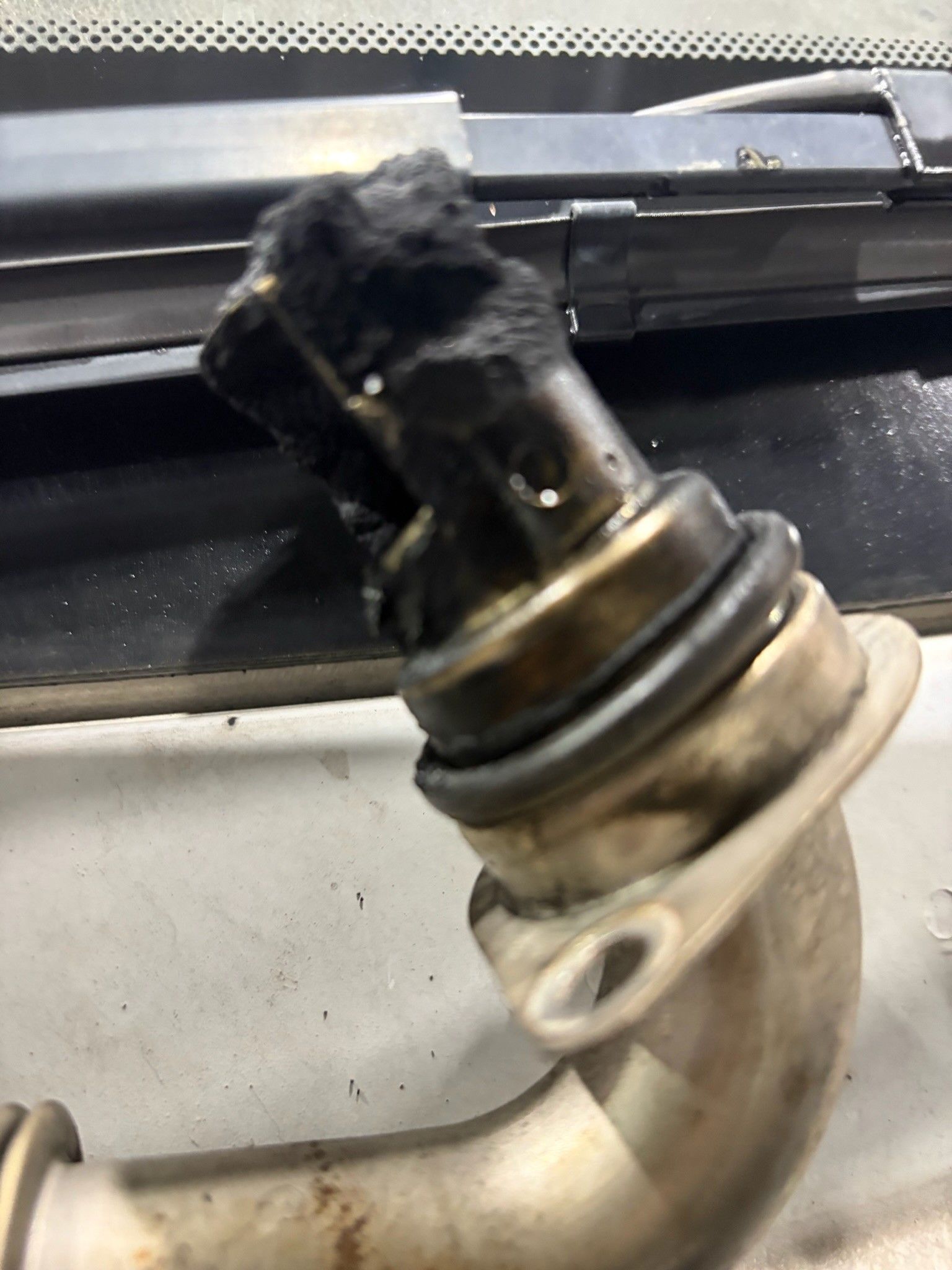
- EGR valve sticking or failing electrically
- Cooler issues
- Carbon buildup affecting airflow plausibility
Sometimes the van derates due to the system detecting conditions that prevent normal operation (regen inhibited, sensor plausibility, etc.). You can waste days chasing "turbo issues" when the van is actually pulling power for another reason.
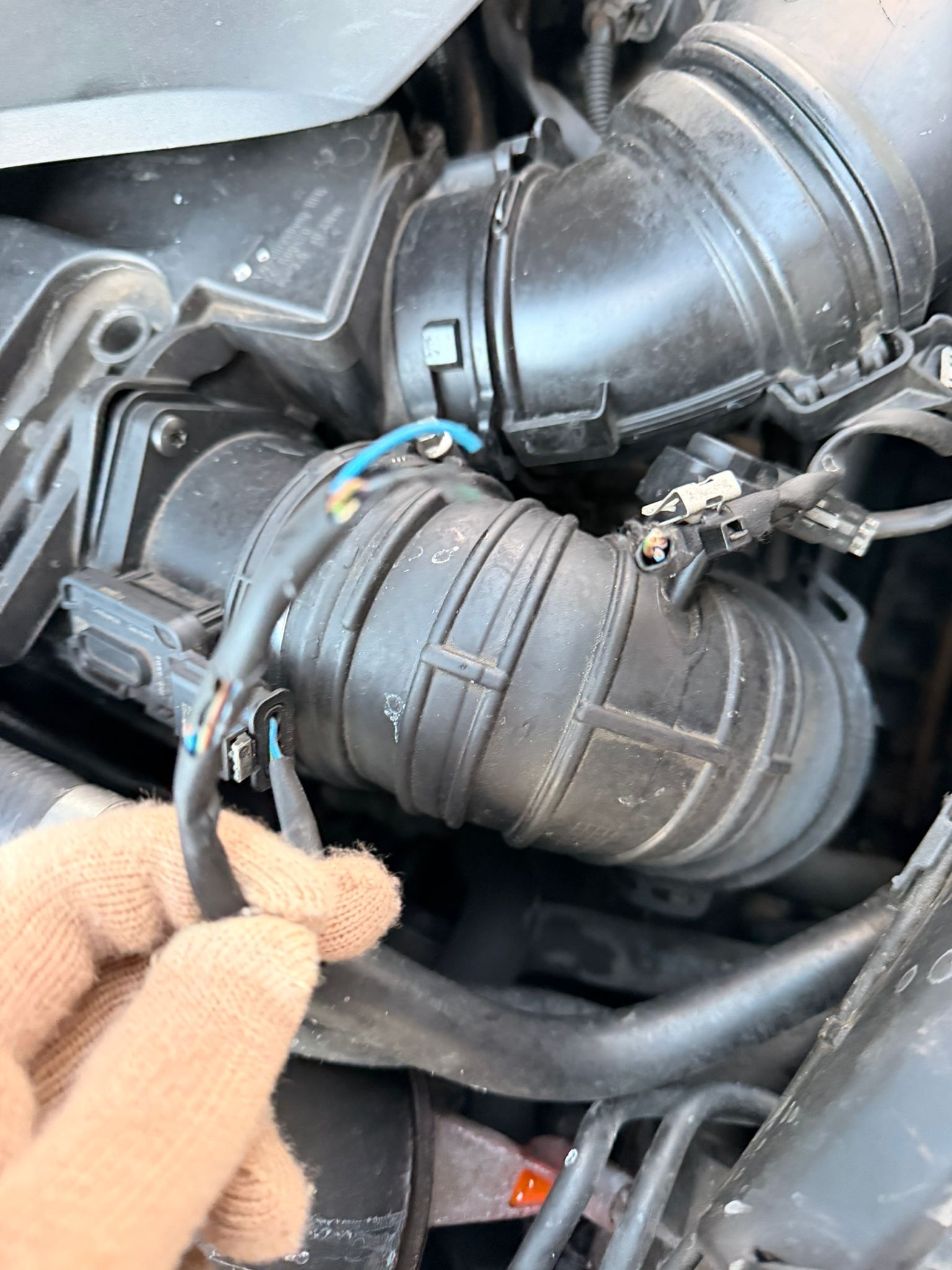
- Wiring rub-through
- Connector pin fitment problems
- Water ingress
- CAN communication faults
Why code-clearing rarely solves it
Clearing codes can remove the warning light temporarily, but it doesn't change what the sensors are reading or how components are behaving.
If the ECU still detects:
- boost not matching request
- rail pressure out of target
- an actuator not responding
- implausible sensor signals
…the van will derate again. Sometimes immediately, sometimes after a drive cycle, sometimes the moment it sees load.
What a proper diagnostic session actually involves
Here's what "done properly" means for a limp mode job.
We start by asking the questions that matter:
- Does it happen under load, uphill, towing, motorway, or any time?
- Does it reset after ignition cycle?
- Has anything been replaced already?
- Any recent servicing, DPF work, AdBlue top ups, or battery issues?
This matters because limp mode patterns are often repeatable once you know the conditions.
A quick engine-only scan misses context. We scan across modules to see:
- what's current vs stored vs pending
- what's linked
- what appeared first (often the key clue)

This is where the truth lives. Examples of what we'll log depending on the symptom:
- Boost requested vs actual
- MAF/MAP plausibility
- Turbo actuator position requested vs actual
- Rail pressure requested vs actual
- EGR command vs feedback
- Temperatures and plausibility where needed
This is the difference between reading a fault and proving it. We'll command components where possible and check response:
- Actuator sweep
- EGR operation
- Sensor plausibility checks
- System tests that confirm whether the component can actually do its job
Because software isn't everything. A proper diagnostic always includes real-world checks:
- Boost hose integrity
- Vacuum lines (where applicable)
- Connector checks
- Wiring inspection in common rub points
You shouldn't be left with "might be this." We provide:
- what we found
- what the evidence says
- what needs doing next
- what can be done mobile vs what needs workshop time
- how we'll verify it's fixed
Common fault codes associated with Sprinter limp mode
The most common codes that accompany limp mode on the W906 and W907 Sprinter with OM651 engine are P0234 (turbo overboost), P0299 (turbo underboost or low boost), P0401 (insufficient EGR flow), and P2563 (turbo actuator position sensor). On the OM654 engine found in the W907, P0299 and boost-related codes are also the most frequent triggers, often linked to the variable geometry actuator or intercooler circuit. Electrical faults on the CAN bus or in the engine harness can produce P-codes that look like boost or fuelling issues but are wiring problems in disguise. A proper diagnostic session reads the full freeze frame data alongside live boost, fuelling, and actuator values to separate the root cause from secondary codes.
If your Sprinter is showing a specific fault code alongside limp mode, the following guides cover the most common ones in detail.
- Sprinter P0299: Turbo Underboost or Low Boost
- Sprinter P0234: Turbo Overboost
- P0401 EGR fault on the Sprinter
Want this done properly?
If your Sprinter is in limp mode, book a Standard Diagnosis - we cover all limp mode faults including turbo, boost, EGR, and electrical issues in one visit.
Need help with this?
We offer professional diagnostics for these issues. Book a visit or WhatsApp us.