

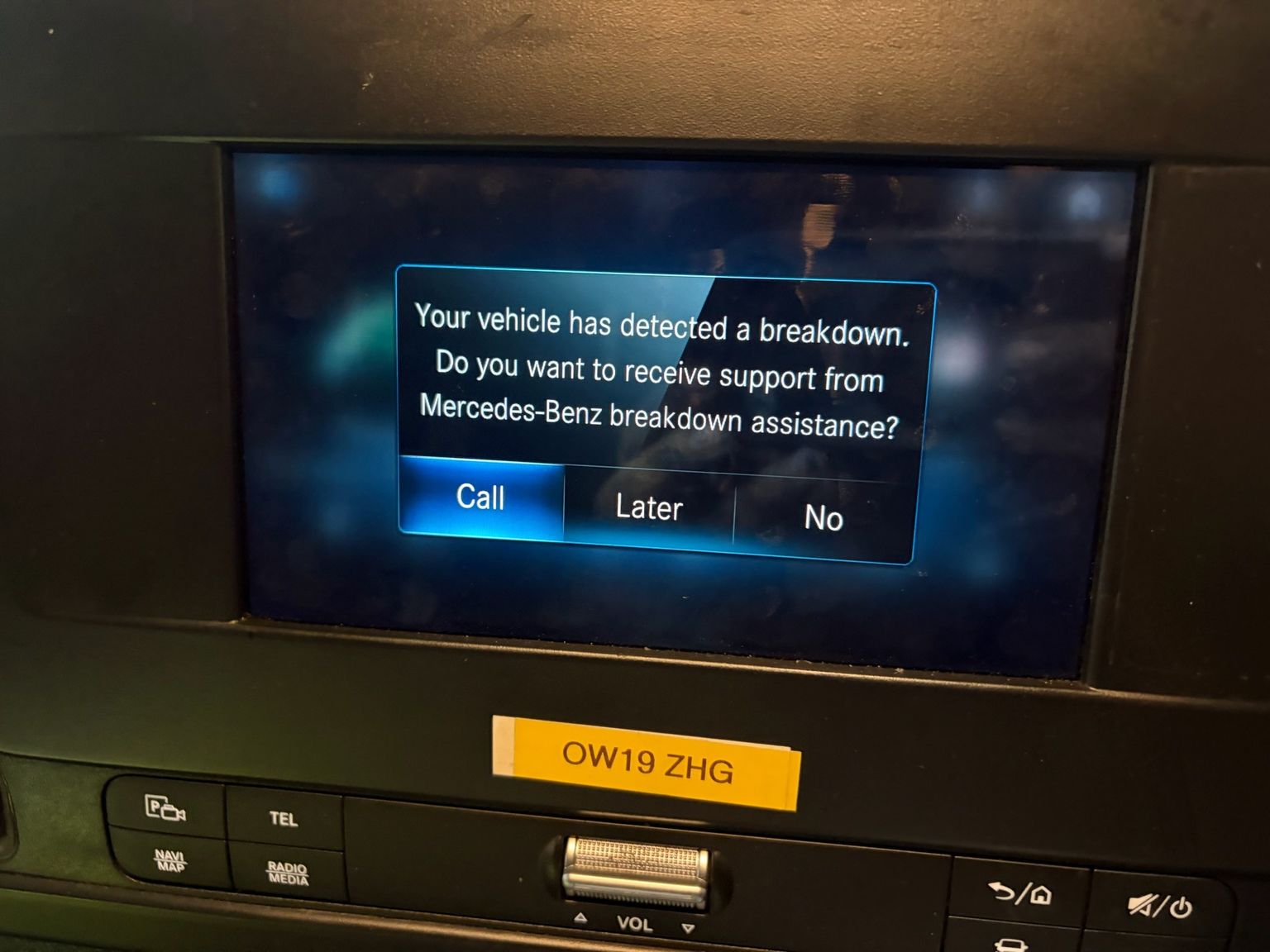
The internet is full of "quick fixes" like clearing codes, disconnecting sensors, or trying random resets. The problem is: if the underlying system issue is still present, the countdown usually returns.
What typically triggers the countdown, why it reappears, and what a proper diagnosis looks like.
What triggers an AdBlue countdown?
The countdown usually begins when the ECU detects a fault in the SCR system (Selective Catalytic Reduction) or a condition it can't verify. Common triggers include:
- Sensor drift / implausible readings
- Heater circuit faults
- Signal issues from wiring/connectors
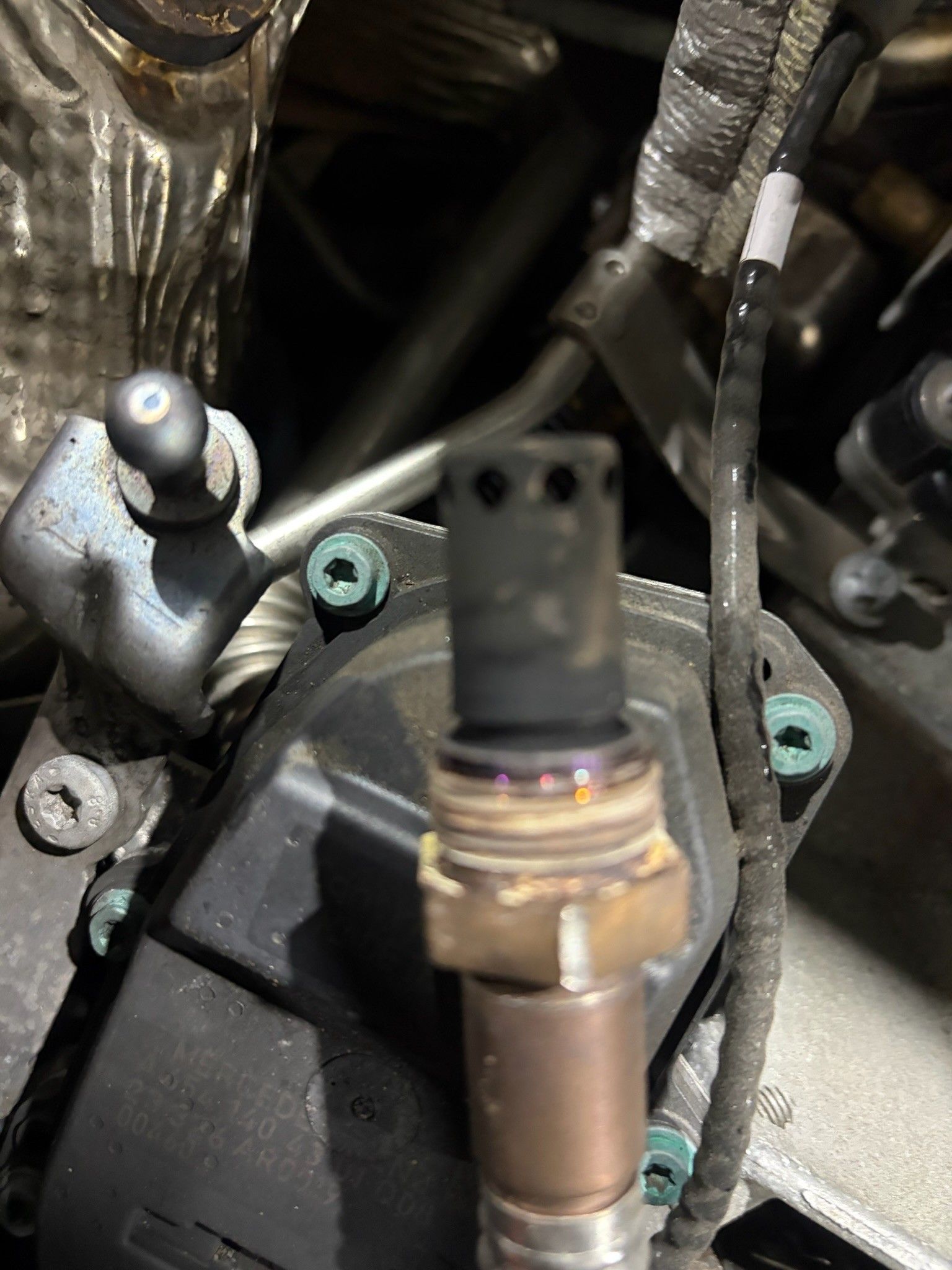
- Dosing valve/injector issues (including crystallisation)
- Supply/pump faults
- Pressure/flow plausibility problems
- Tank heater or line heater faults
- Temperature plausibility issues that prevent correct dosing behaviour
Sometimes the system decides the expected NOx reduction isn't happening. That's not always a "bad catalyst" - it can be caused by upstream issues that make dosing inaccurate or sensor feedback unreliable.
Why clearing codes doesn't fix it
Clearing codes can temporarily remove the message, but most of the triggers above are still detectable as soon as the ECU runs checks again.
If a sensor is reading implausibly, if dosing isn't behaving as expected, or if a component fails a plausibility test - the fault comes back. Sometimes immediately, sometimes after a short drive.
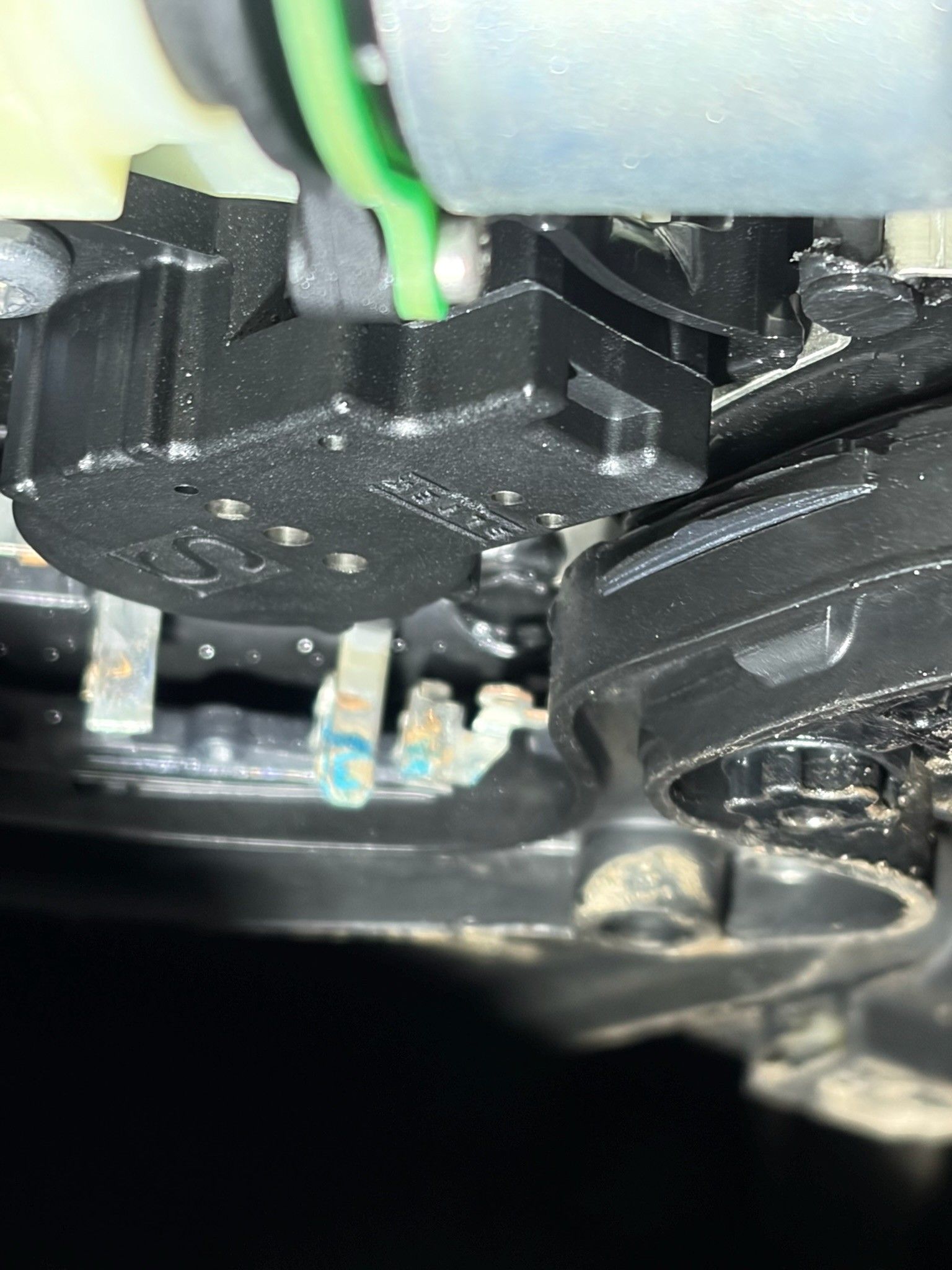
The goal isn't "clear the message." The goal is: prove what's wrong and fix the cause.
What a proper "Decision Visit" does
The fastest way to stop the countdown long-term is to diagnose it properly the first time. A TriPoint Decision Visit typically includes:
We don't just grab one code and guess - we look at:
- which faults are current
- which are historic
- what order they appeared in
- whether multiple faults share the same root cause
Depending on the vehicle and fault type, we check live readings to see:
- if sensor values are plausible
- whether the system is responding correctly
- whether commanded actions match expected results
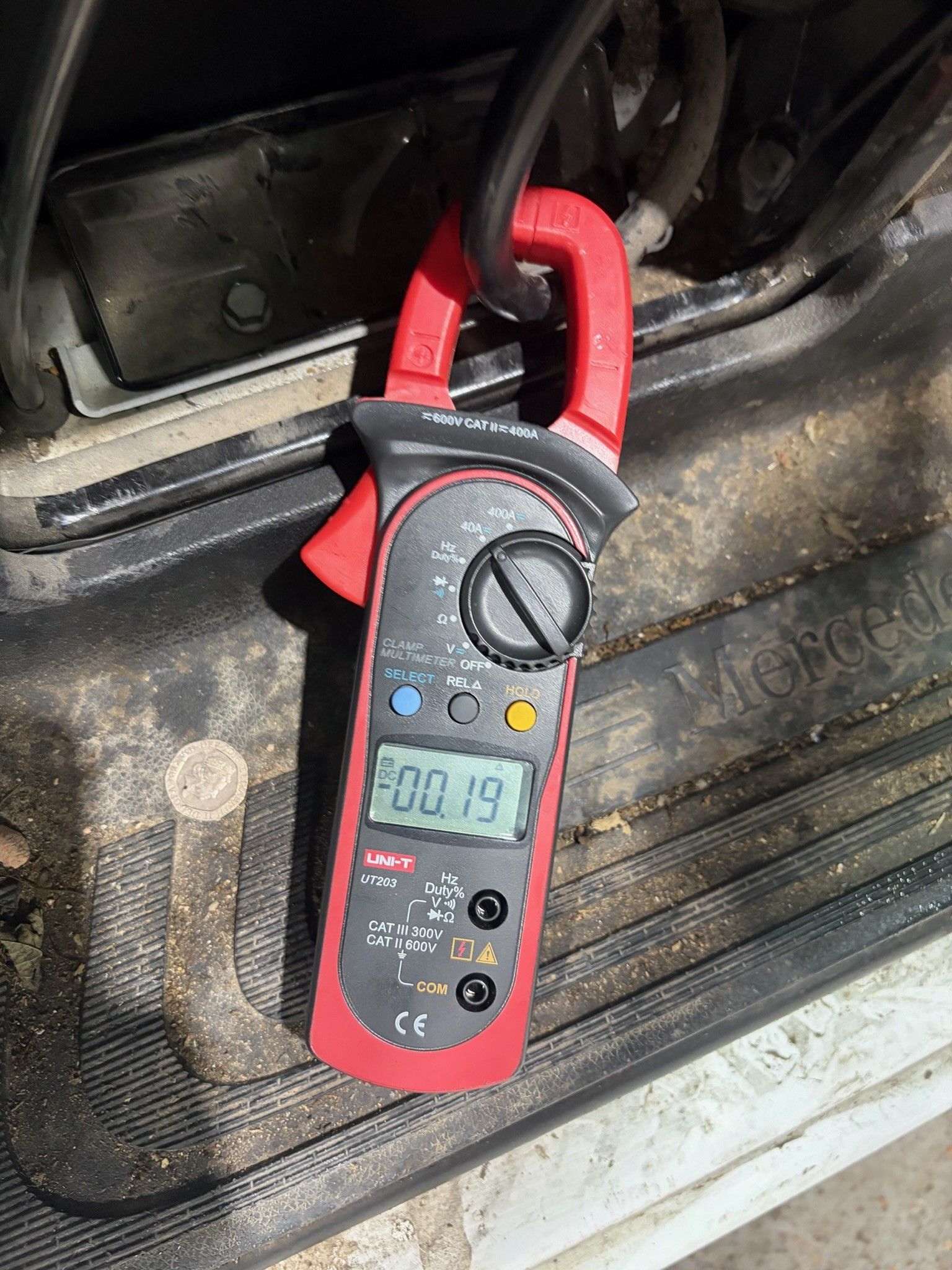
Where applicable, we'll verify:
- dosing valve response
- heater circuits
- wiring integrity and connector condition
- known failure points (especially on high-mileage commercial vans)
You get a clear written plan:
- likely root cause
- what needs replacing (if anything)
- what needs testing before parts are fitted
- what can be done mobile vs workshop
Got an AdBlue countdown?
Book a Standard Diagnosis - we cover all AdBlue, SCR, and emissions faults in one visit.
Related reading
Need help with this?
We offer professional diagnostics for these issues. Book a visit or WhatsApp us.